

PhD Dissertation Defense on Juristic Issues in Which Two Opinions Were Reported
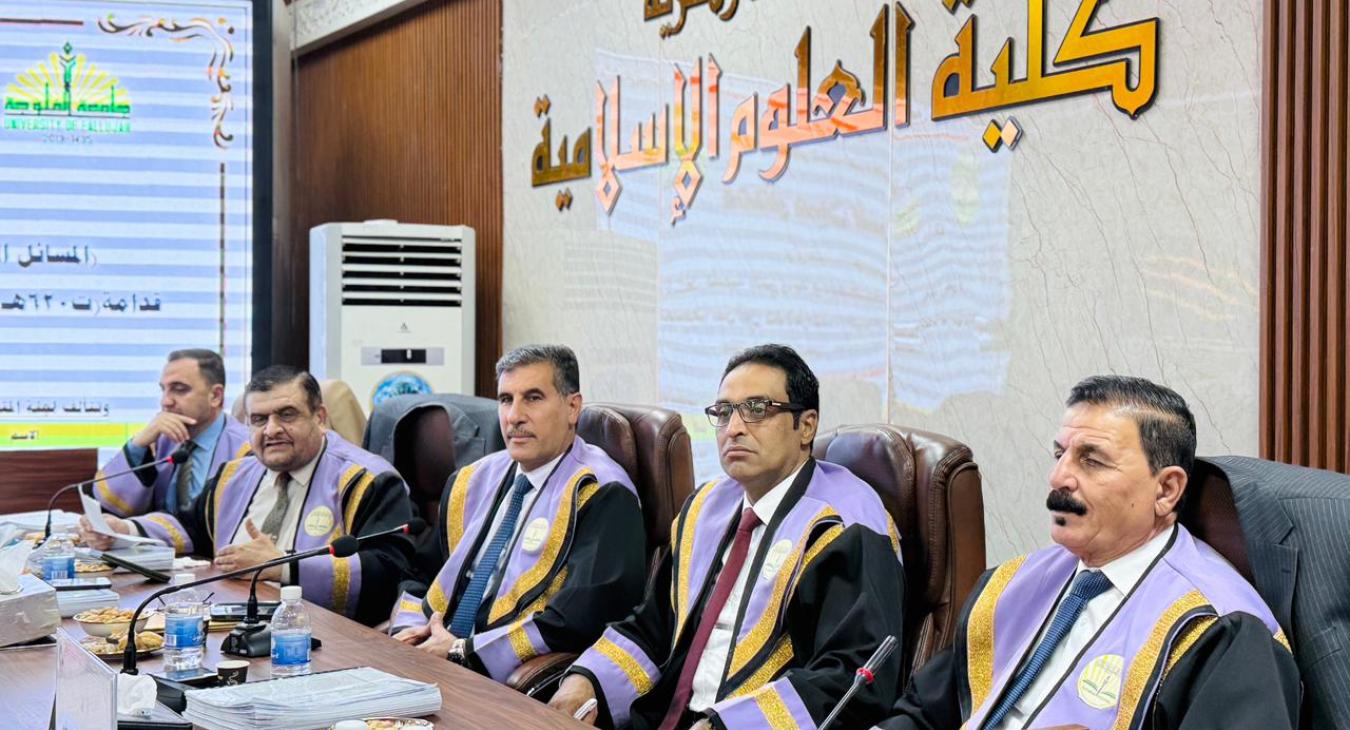
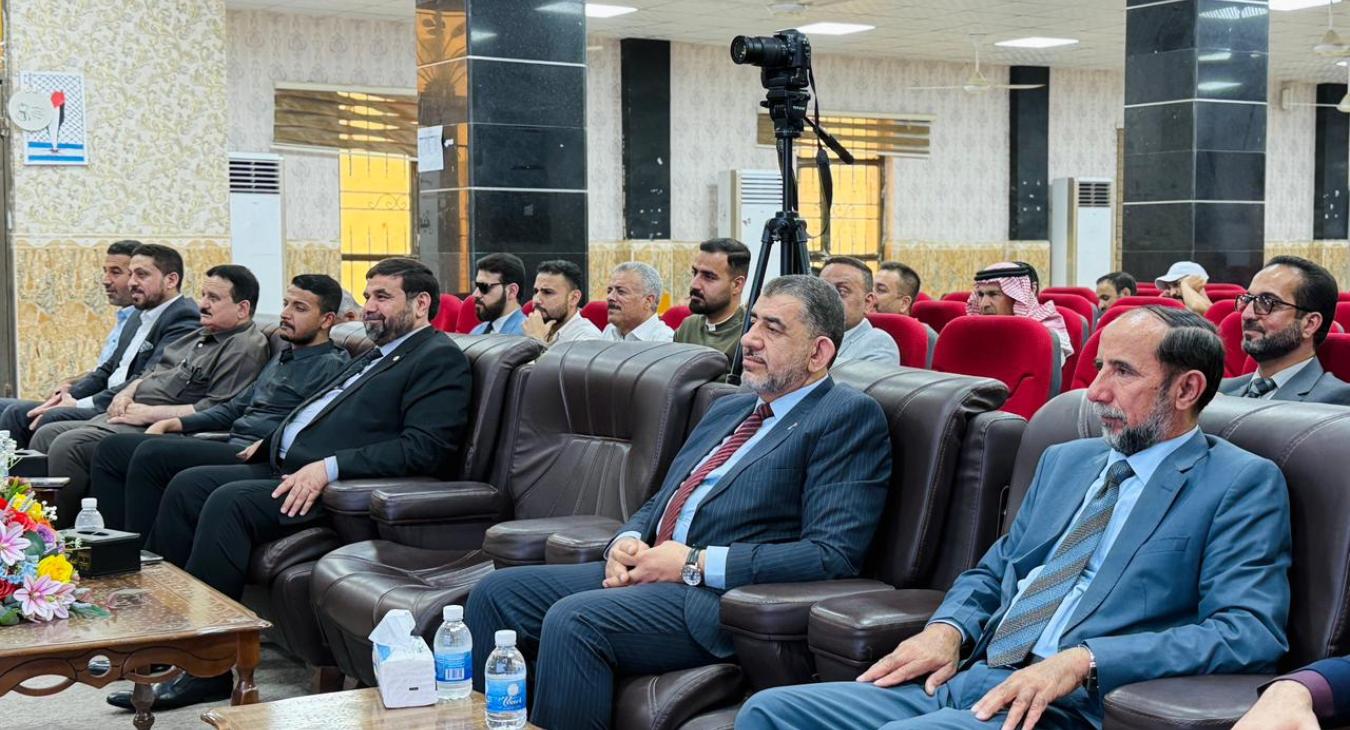
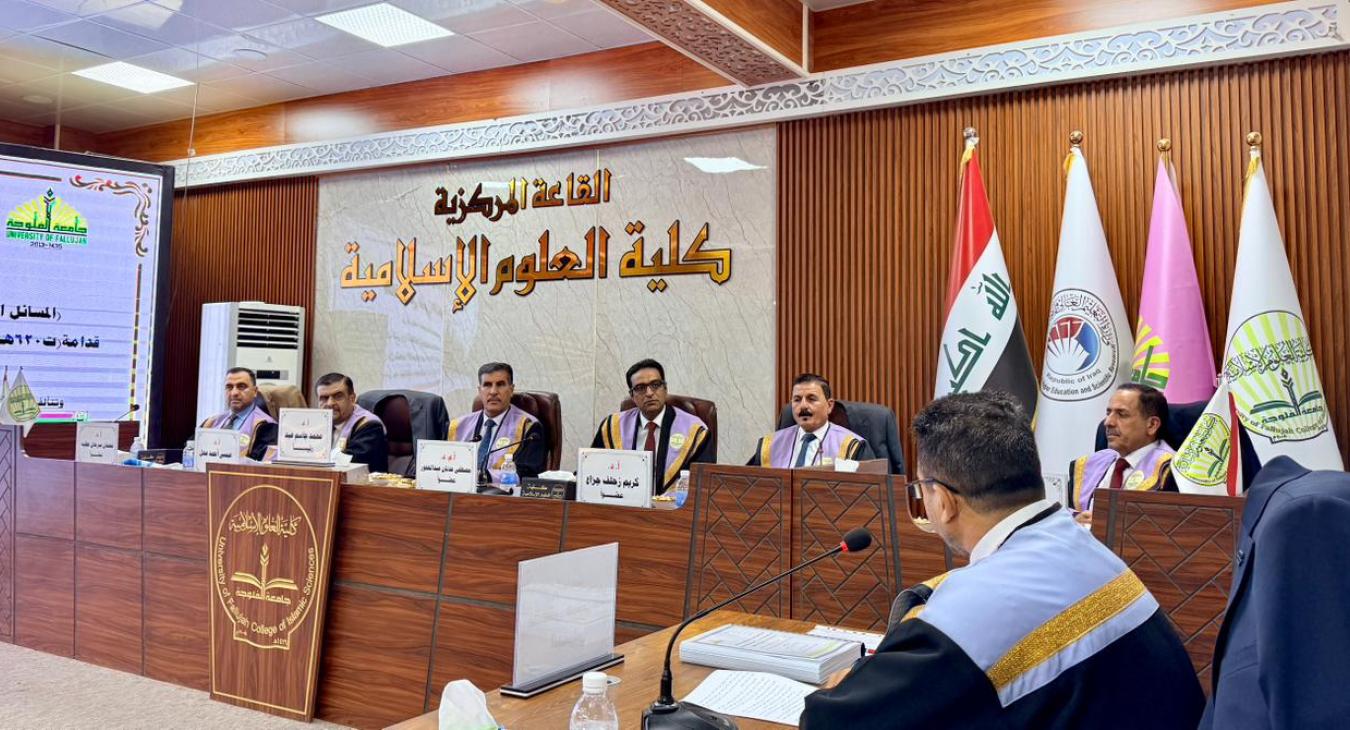
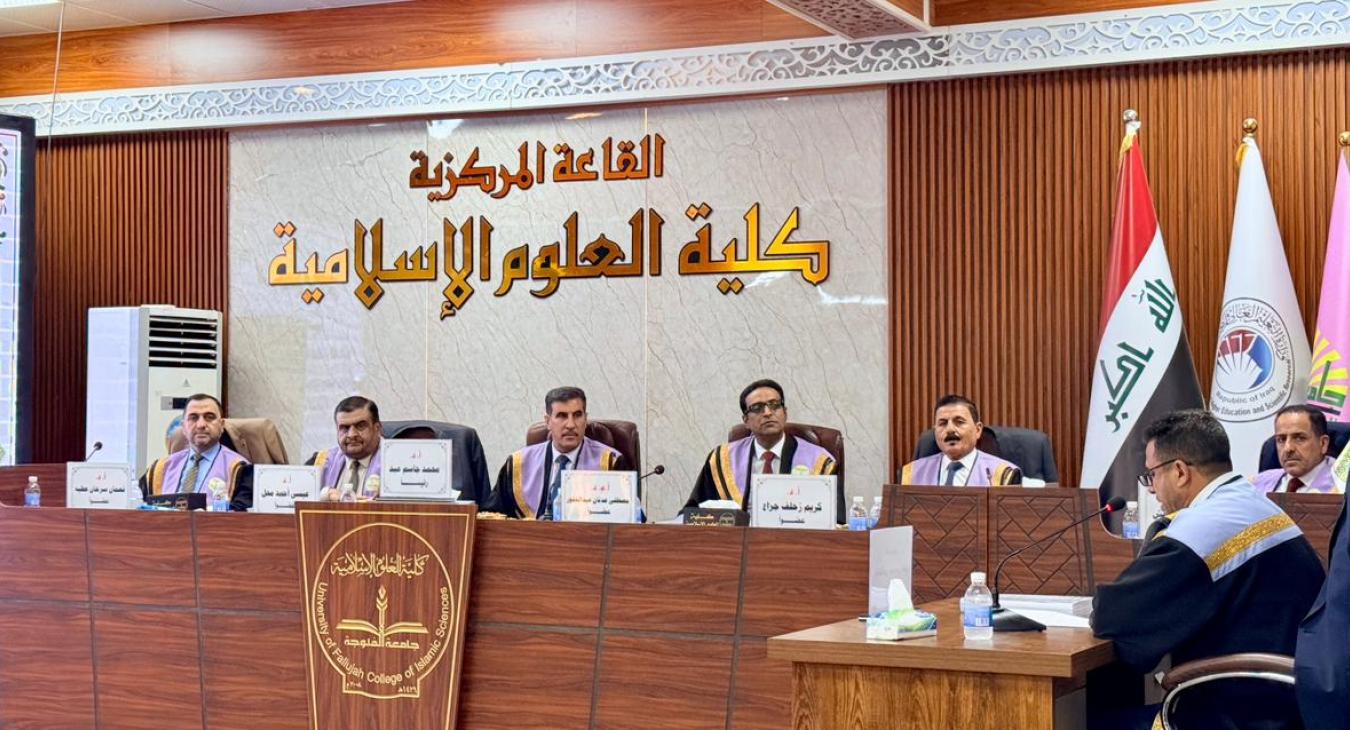
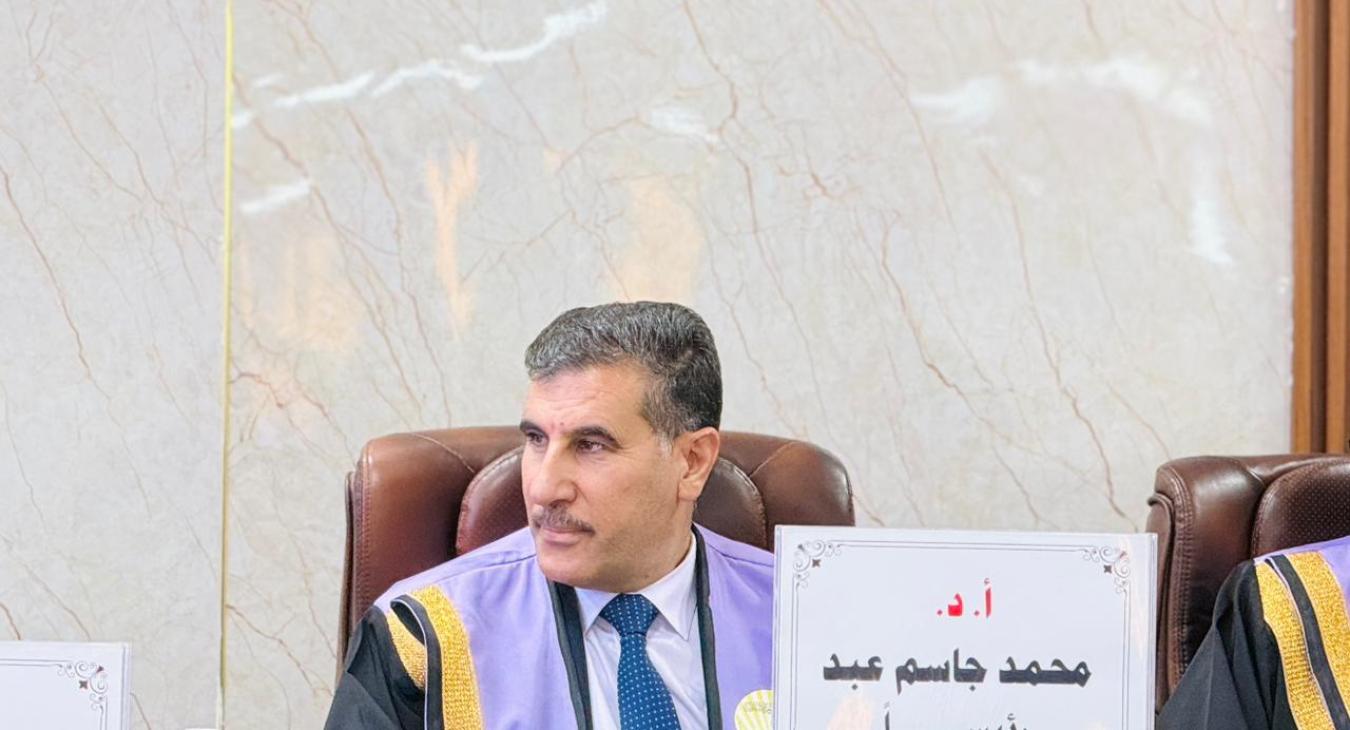
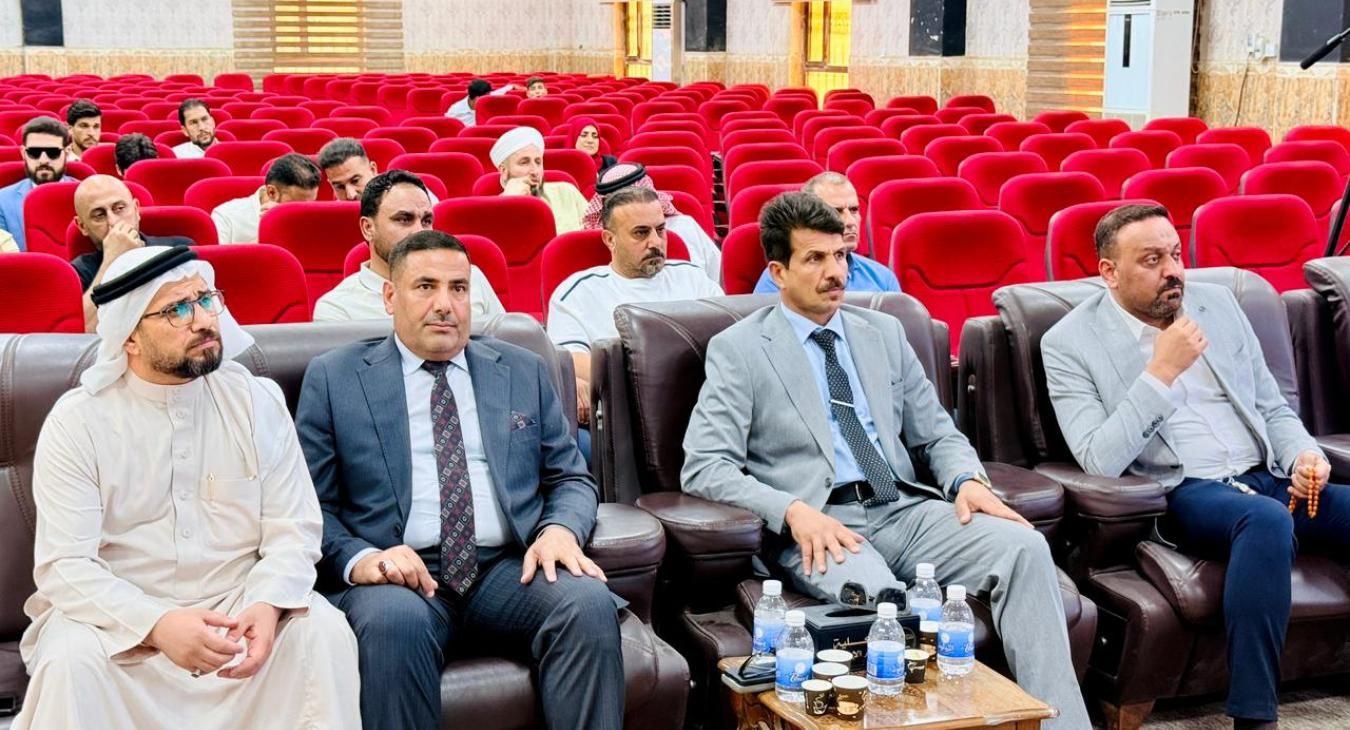
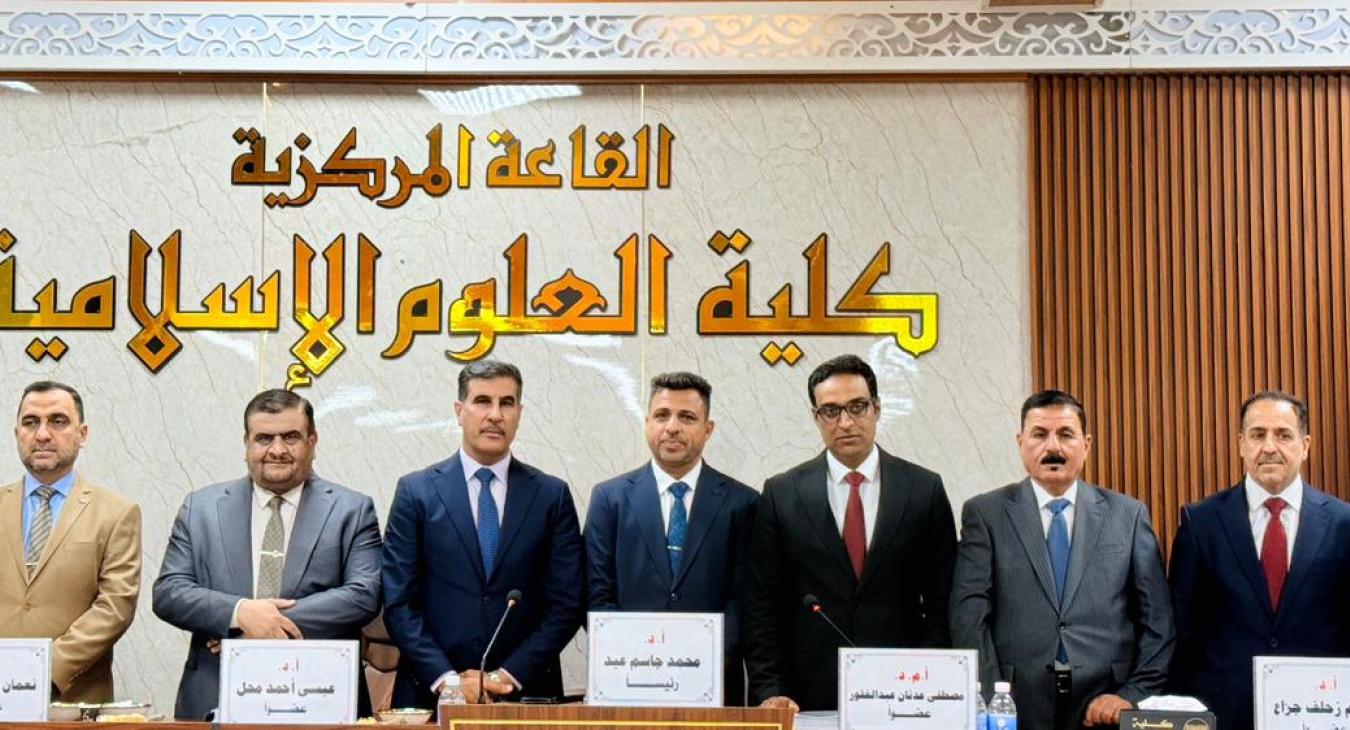
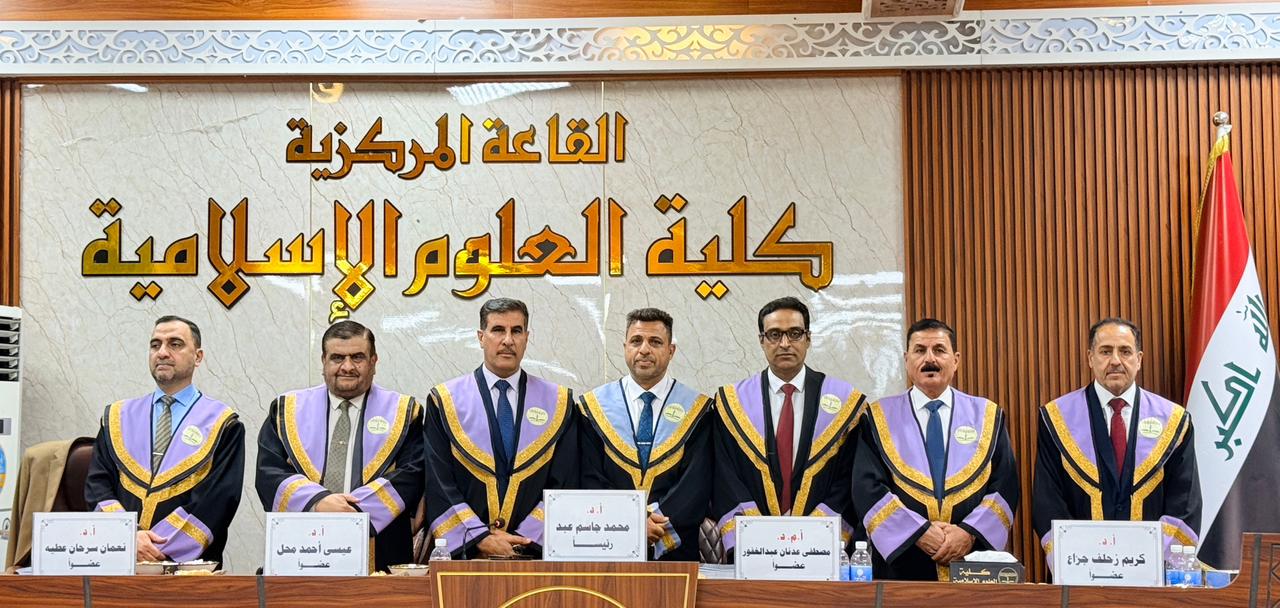
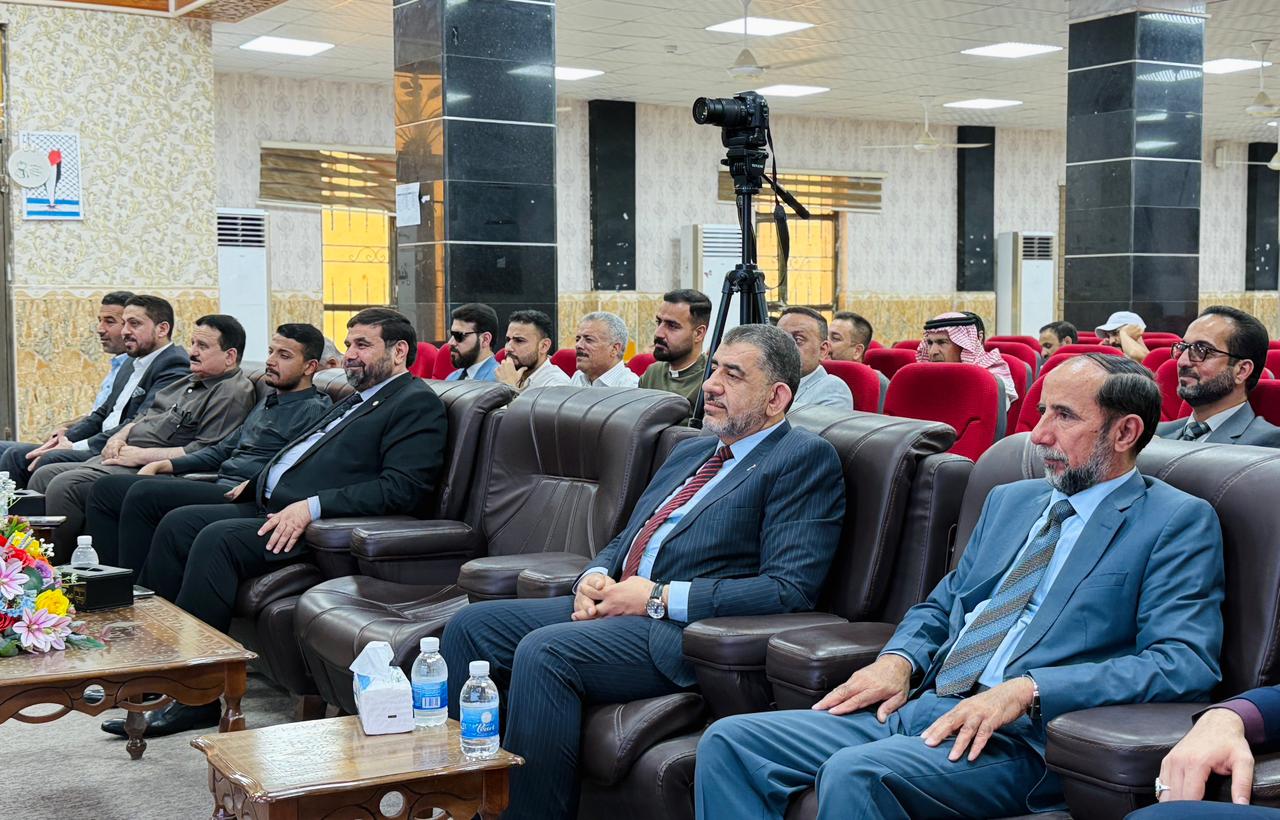
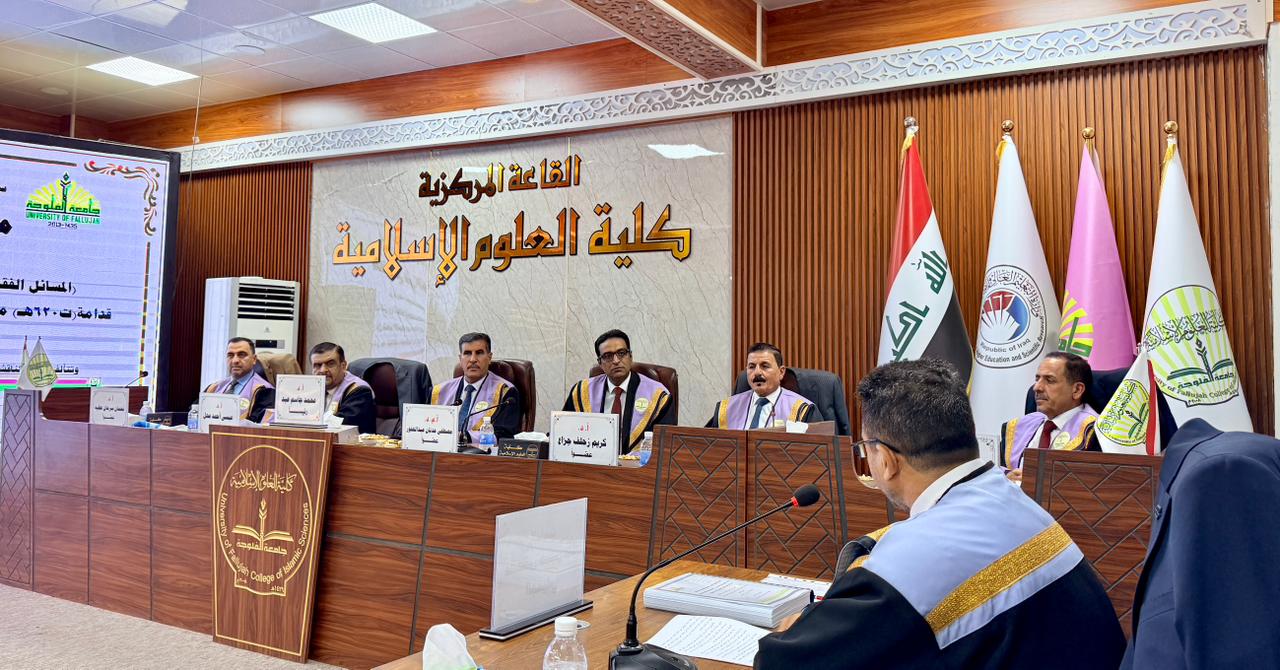
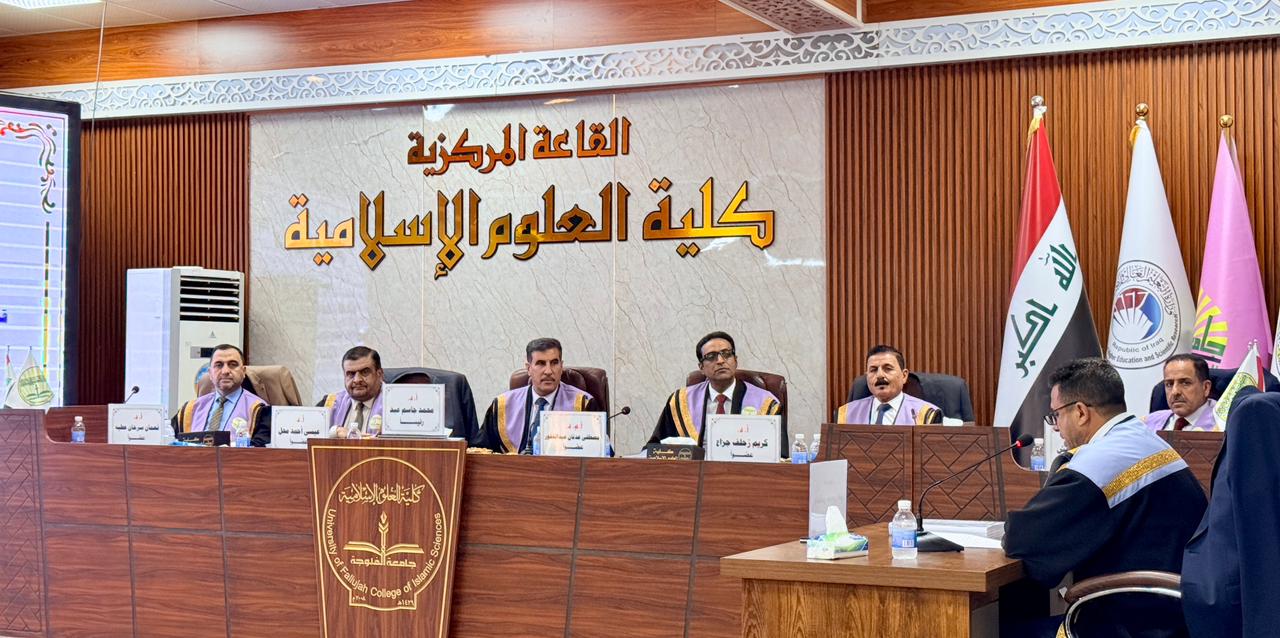
Under the patronage of the President of the University of Fallujah, Prof. Dr. Ahmed Suleiman Hamad, and under the supervision and follow-up of the Dean of the College of Islamic Sciences, Prof. Dr. Mohammed Jassim Abd, the public defense of the PhD dissertation submitted by the doctoral candidate Mustafa Hussein Ali from the Department of Sharia, College of Islamic Sciences, University of Fallujah, was held at noon on Tuesday, June 9, 2026, in the Central Hall of the College of Islamic Sciences.
The dissertation, entitled:
“Juristic Issues in Which Two Opinions Were Reported among the Hanbalis in Al-Mughni by Ibn Qudamah (d. 620 AH): From the Beginning of the Book of Leases to the End of the Book of Gifts and Donations – A Comparative Study”
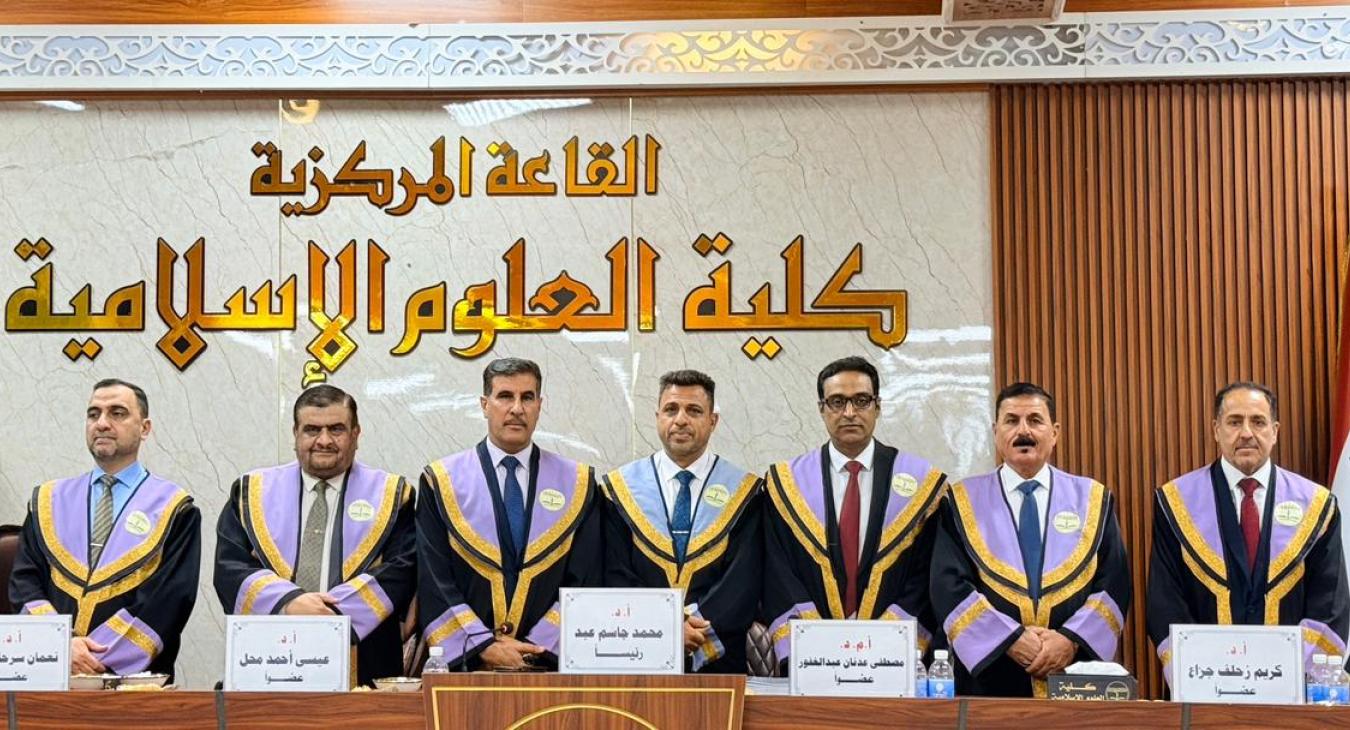
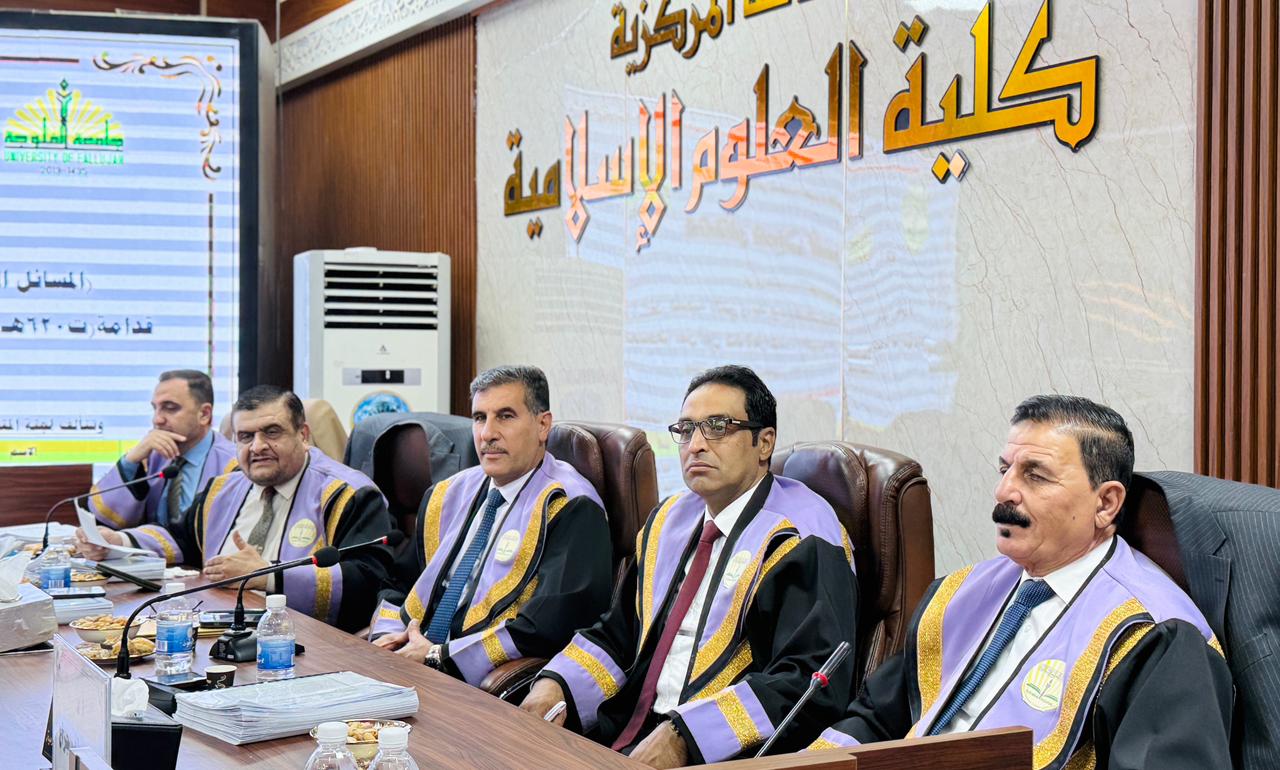
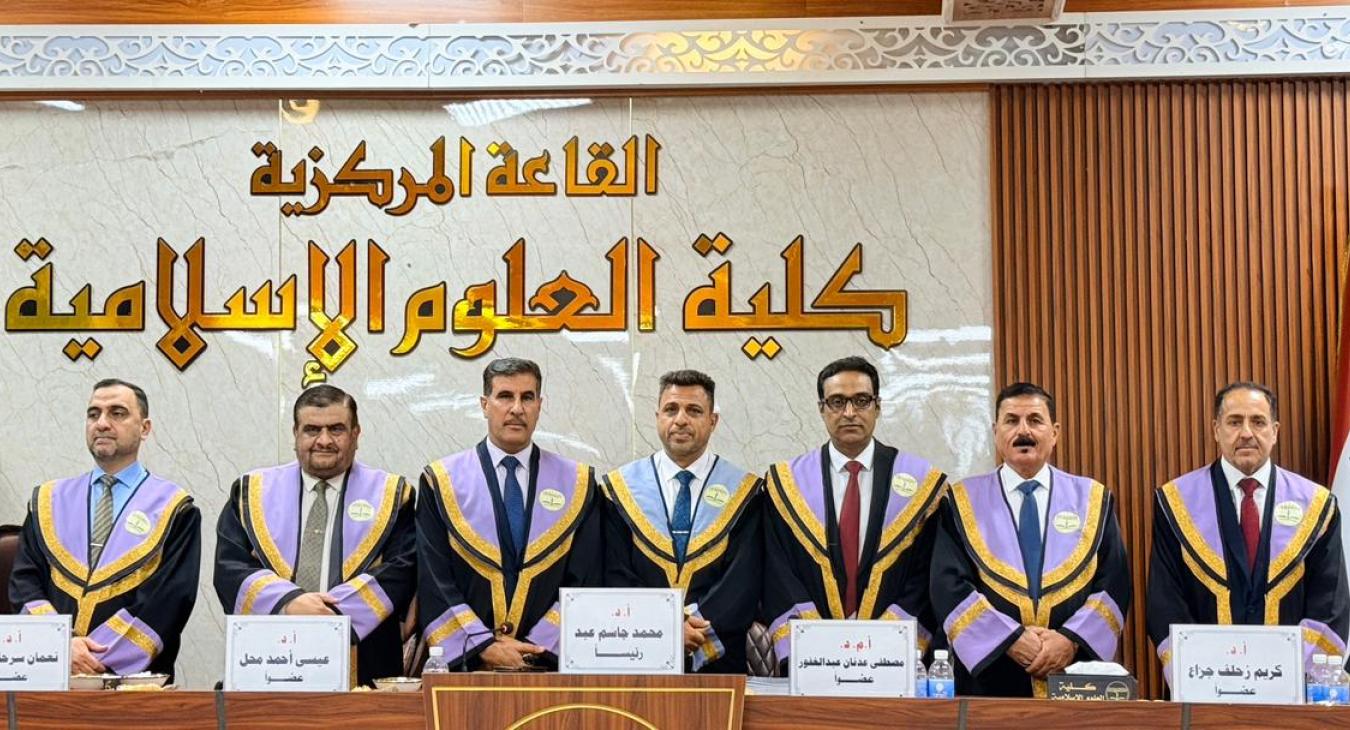
was examined by a committee composed of:
- Prof. Dr. Mohammed Jassim Abd – Chairperson
- Prof. Dr. Nu‘man Sarhan Atiyah – Member
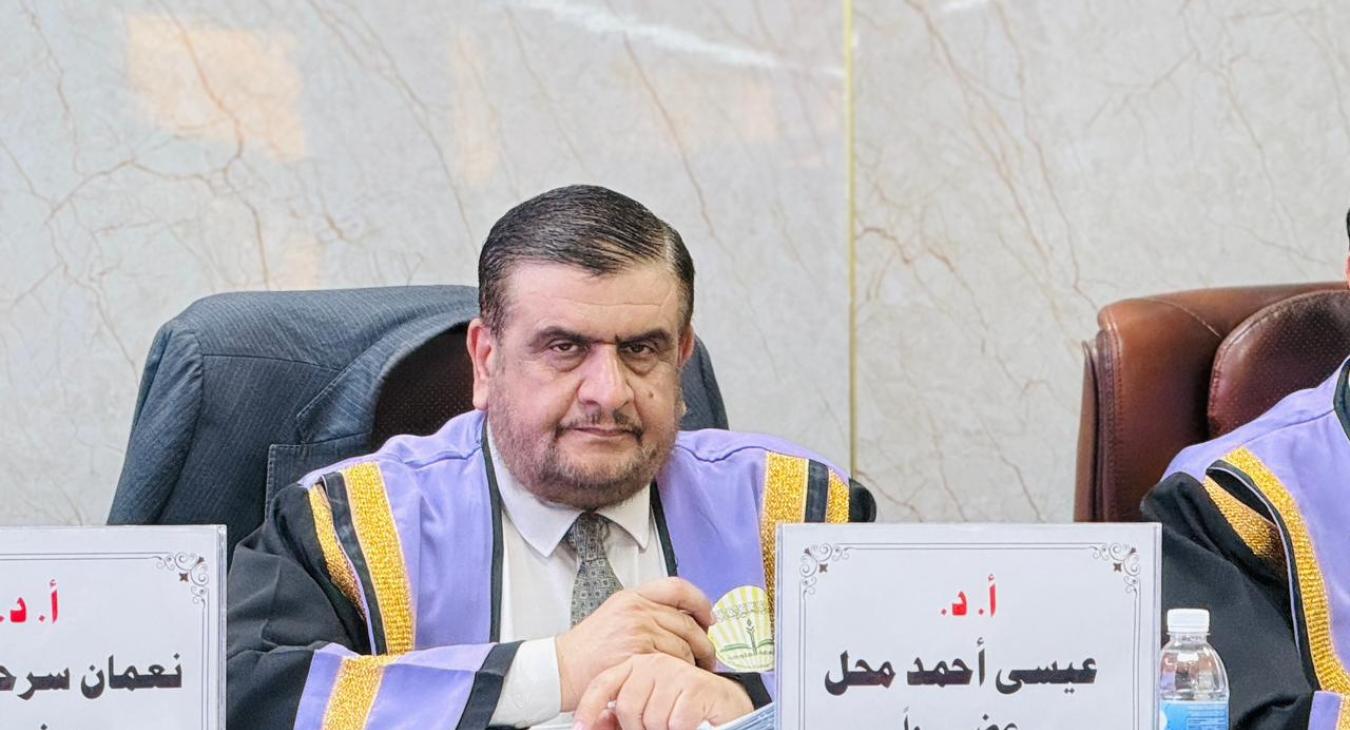
- Prof. Dr. Isa Ahmed Mahal – Member
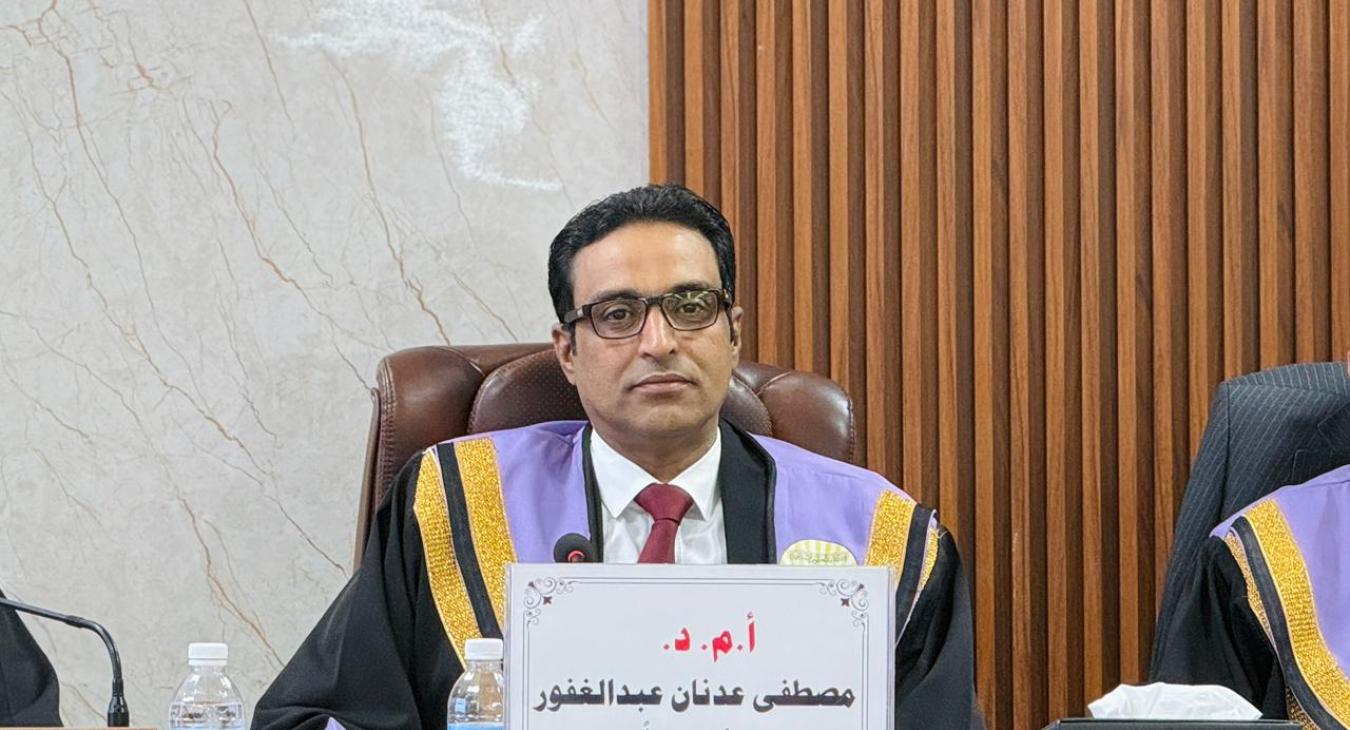
- Assist. Prof. Dr. Mustafa Adnan Abdulghafour – Member
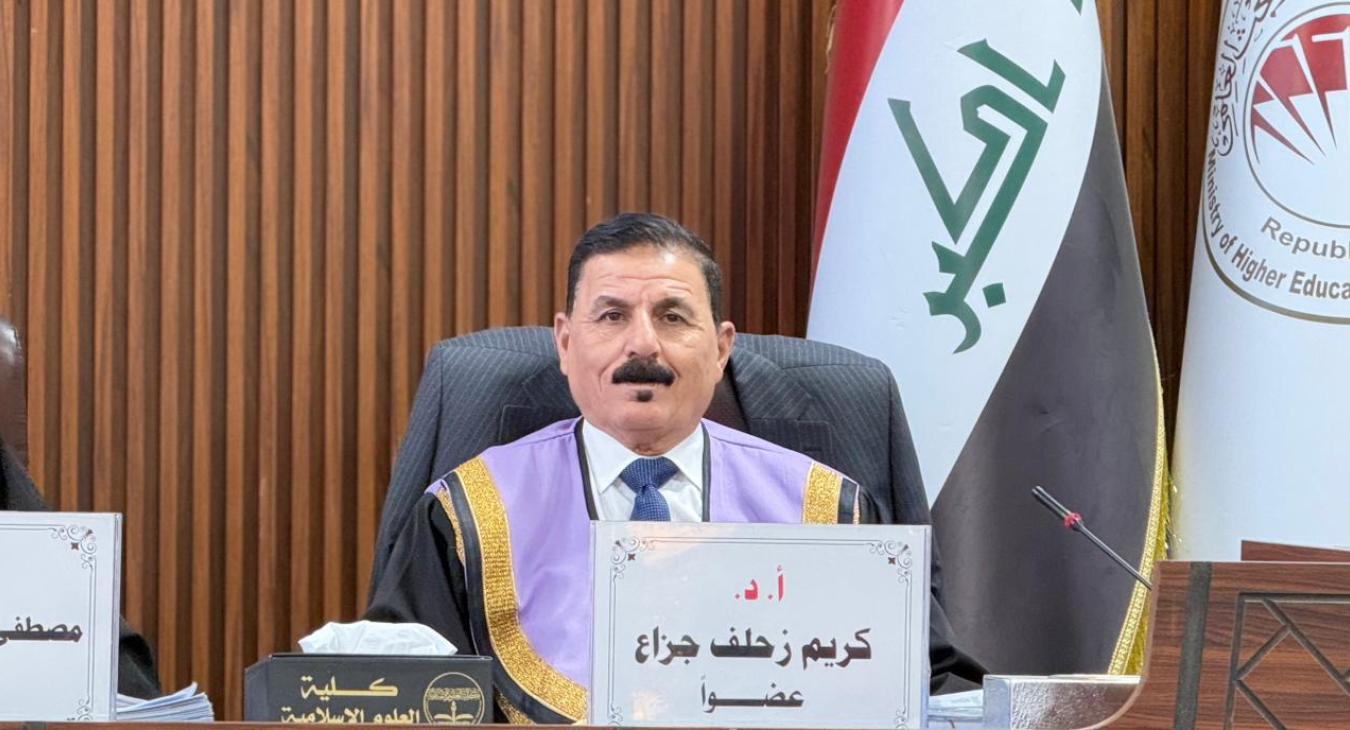
- Assist. Prof. Dr. Kareem Zuhlaf Jazaa – Member
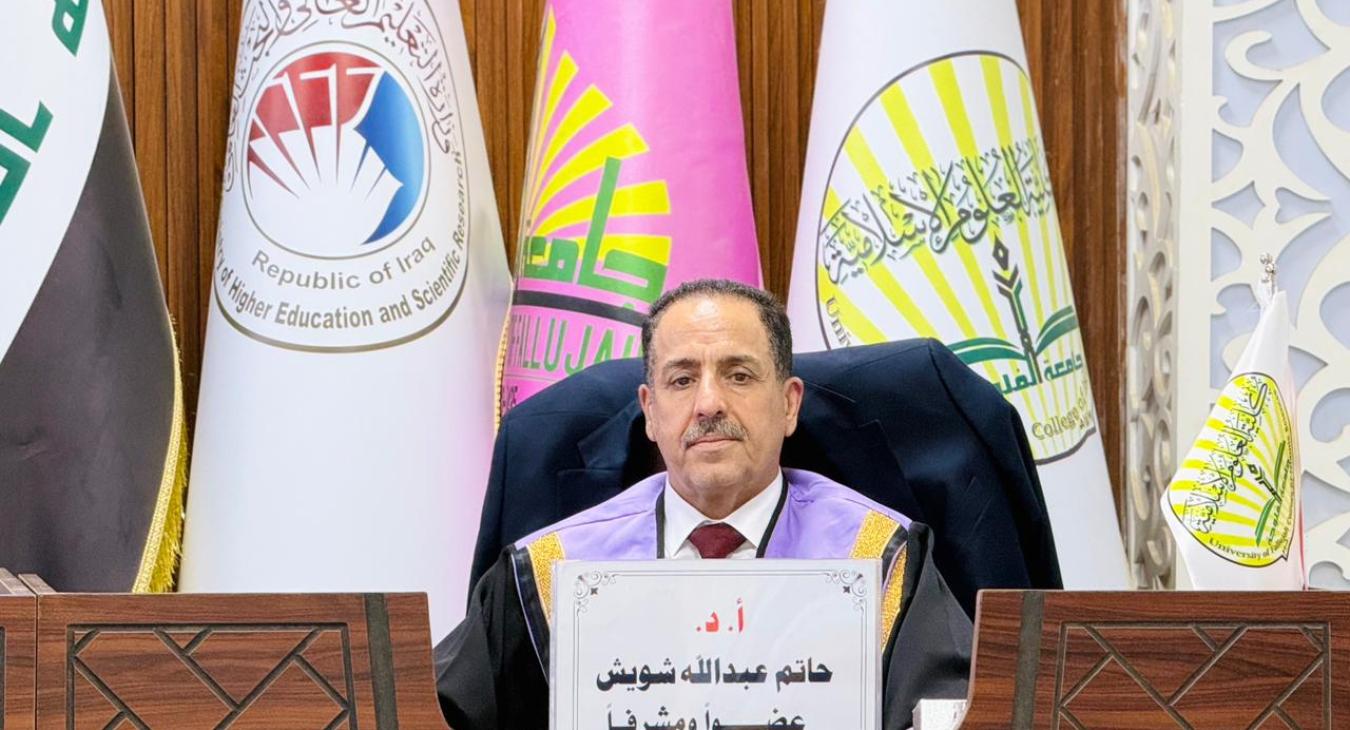
- Prof. Dr. Hatem Abdullah Shuwaish – Member and Supervisor
Objectives of the Dissertation
The dissertation aimed to collect and examine the juristic issues in which two authoritative opinions were reported among Hanbali jurists in Al-Mughni by Ibn Qudamah (d. 620 AH), covering the chapters from the Book of Leases (Kitab al-Ijarat) to the Book of Gifts and Donations (Kitab al-Hibah wa al-‘Atiyyah), and to study them through a comparative jurisprudential analysis with the views of other Islamic legal schools.
Major Findings
The study reached several significant findings, most notably the abundance of dual-opinion juristic issues in Al-Mughni and the diversity of Ibn Qudamah’s methods in presenting them. The research also revealed the use of various jurisprudential and legal-theoretical terminologies among Hanbali scholars. Furthermore, it demonstrated areas of convergence between the Hanbali and Shafi‘i schools in a number of juristic opinions, alongside issues in which the Hanbalis maintained distinct positions. The study highlighted similarities in their methods of legal reasoning and showed that the examined opinions were often grounded in rational argumentation and the general principles of Islamic law.
Following an extensive discussion by the examination committee, the dissertation was accepted with the grade of Pass (Fulfilled Requirements).
Media and Government Communication Division